
Lasting Muscle Cramp Relief

Muscle cramps are sudden, painful tightening of a muscle that can happen in the legs, feet, back, or hands. Common causes include nerve stress, poor posture, spinal joint problems, and muscle overuse. Cramps may also happen with weakness, tingling, or stiffness in the body. When the spine and nerves are not working well, muscles may tighten and spasm. People may feel sharp pain, hard knots, and trouble walking, bending, or using the affected area. A chiropractor can help by checking the spine, improving joint motion, and easing nerve pressure so muscles can relax and move better. Chiropractic care may also improve balance and body alignment, which can lower the chance of future cramps. Early care can support movement and comfort. If you are experiencing frequent muscle cramps, it is suggested that you schedule an appointment to learn how chiropractic care can help.

Muscle Spasms

Muscle spasms, or involuntary muscle contractions, can cause sudden pain and tightness, often disrupting daily activities and causing significant discomfort. Spasms are typically triggered by muscle strain, dehydration, poor circulation, or nerve irritation and can occur in any muscle, although they are most common in the neck, back, and legs.

Chiropractic care for muscle spasms aims to relieve muscle tension, improve circulation, and restore the body’s natural balance. By performing gentle adjustments to the spine or other affected areas, chiropractors work to realign the body and reduce nerve interference that may be contributing to the spasms. This approach can help relieve the pressure on muscles, encouraging them to relax and reducing the frequency and intensity of future spasms.

In addition to adjustments, chiropractic care may include stretching exercises, massage, and lifestyle recommendations to prevent recurrence. These exercises are designed to strengthen and support the muscles, improving flexibility and reducing muscle strain.

Chiropractic care offers a holistic, drug-free approach to managing muscle spasms, emphasizing long-term relief and muscle health. By addressing both the immediate symptoms and underlying causes, chiropractic treatment helps people find lasting relief, promoting muscle relaxation and supporting overall well-being.

Will the treatment cause additional pain or discomfort?

 Patients sometimes worry that chiropractic adjustments or muscle manipulation will aggravate their spasms. Chiropractors emphasize that treatments are generally gentle and designed to alleviate discomfort without causing additional pain.


Will I feel immediate relief after each adjustment, or does it build over time?

While some patients feel immediate relief after a session, long-term improvement usually develops gradually with consistent treatment. Muscle tension and spasms often respond best to cumulative care over several sessions.

If you have any questions please feel free to contact our office located in Davie, FL

Read more about Muscle Spasms

Types of Knee Pain

Knee pain is common and can come from many body changes that affect how the joint moves. Pain may start from overuse, sudden twisting, past injury, poor alignment, or wear in the joint, over time. The knee works closely with the hips, ankles, and spine, so problems in those areas can add stress to the knee. Common symptoms include aching, sharp pain, stiffness, swelling, weakness, or pain during walking, bending, or standing up. Some people feel pain in the front, sides, or back of the knee, which can limit daily movement. A chiropractor looks at how the knee and surrounding joints move together. Chiropractic treatment can help improve joint motion, reduce strain on the knee, and support better alignment so the body moves more evenly. If knee pain is interfering with your daily life, it is suggested that you schedule a chiropractic appointment to learn how treatment may benefit you. 

Knee Pain

Knee pain is a frequent complaint that can arise from injuries, overuse, arthritis, or misalignments in the body. This pain can disrupt daily life, limiting movement and impacting quality of life. Knee discomfort often develops when the body’s structural alignment is off, which places extra strain on the knee joint and surrounding muscles and ligaments.

Chiropractic care focuses on reducing knee pain by assessing and addressing alignment throughout the lower body. Gentle adjustments may be used to realign the knee and correct imbalances in the hip, pelvis, and spine that contribute to excessive knee stress. Restoring alignment in these areas can relieve pressure on the joint, ease pain, and promote improved mobility.

To support these adjustments, chiropractors often incorporate exercises, stretches, and lifestyle guidance to improve strength and flexibility around the knee. Strengthening muscles surrounding the joint can offer additional stability, helping to prevent future injuries.

Is knee pain treatment going to be painful?

Patients may worry that adjustments or other treatments will hurt. Chiropractors reassure patients that the techniques used are generally gentle, with any discomfort being mild and short-lived. They work within the patient’s pain tolerance.

How many sessions will I need?

Frequency and number of sessions depend on the pain’s severity and the patient’s response to treatment. Chiropractors often suggest a treatment plan tailored to the individual, sometimes starting with frequent visits and tapering as improvement occurs.

If you have any questions please feel free to contact our office located in Davie, FL

Read more about Knee Pain

Stop Headaches Naturally

Headaches affect millions of people and can range from occasional tension to chronic pain. Often linked to stress, posture, or muscle strain, headaches can disrupt work and daily life. Non-invasive and drug-free care may help reduce frequency and intensity.

Contact us today for effective headache treatment.

Carpal Tunnel Syndrome and Chiropractic Relief

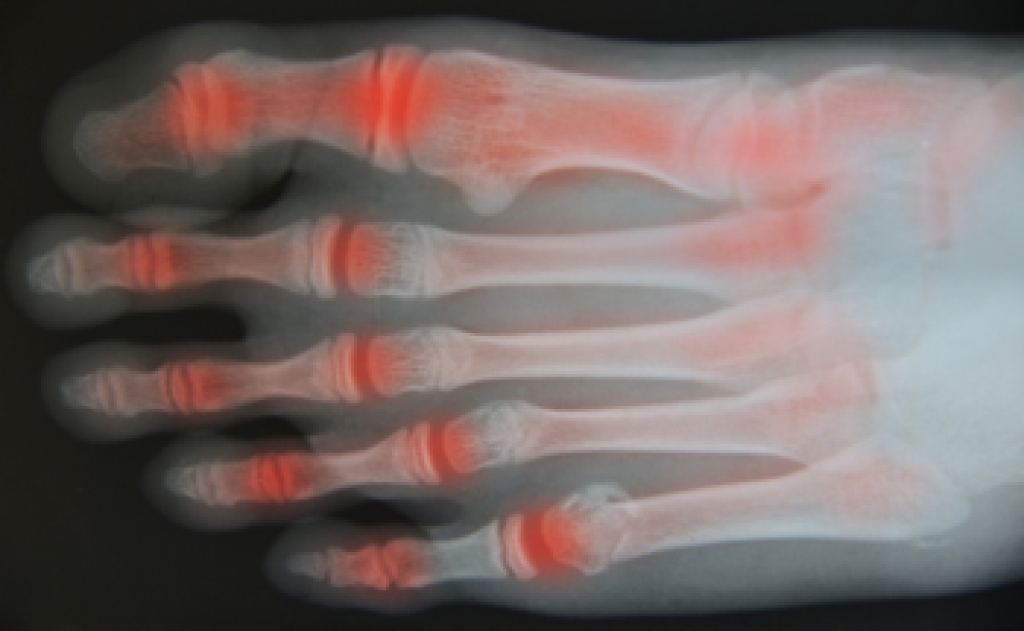
Carpal tunnel syndrome is a condition caused by pressure on the median nerve as it travels through the wrist, leading to discomfort and functional limitations. Common symptoms include hand pain, numbness, tingling, weakness, and reduced grip strength that may worsen with daily activities. Causes often involve repetitive hand movements, wrist strain, inflammation, or underlying health conditions. Risk factors include prolonged computer use, certain occupations, pregnancy, arthritis, and metabolic disorders. A chiropractor can help by improving wrist and spinal alignment, reducing nerve compression, enhancing joint mobility, and addressing muscle tension that contributes to symptoms. If you have any of the above symptoms, it is suggested that you consult a chiropractor to explore appropriate treatment solutions.

Carpal Tunnel Syndrome

Carpal tunnel syndrome, or CTS, is a condition caused by compression of the median nerve, which runs through the carpal tunnel in the wrist. This tunnel is a narrow passageway surrounded by bones and ligaments, and when it becomes compressed or inflamed, it can put pressure on the nerve. Symptoms of CTS include tingling, numbness, weakness, and pain in the hand and fingers, often making simple tasks difficult and uncomfortable.

Chiropractic care offers a non-invasive approach to managing CTS by addressing alignment and reducing nerve pressure. Chiropractors start by evaluating the wrist, elbow, and even the cervical spine or neck, as misalignments in these areas can contribute to nerve compression in the wrist. Through gentle adjustments, chiropractors can improve the alignment of the wrist and spine, helping to reduce the pressure on the median nerve.

In addition to adjustments, chiropractors may use soft tissue therapy, such as stretching and myofascial release, to reduce inflammation surrounding the wrist and enhance mobility.

Why Consider Chiropractic for CTS?

Chiropractic care can provide lasting relief by targeting the root causes of CTS, reducing pain, and promoting long-term hand and wrist health.

Can Chiropractic Care Address Repetitive Strain as a Cause of CTS?

Chiropractic care can help manage repetitive strain by improving joint alignment and recommending ergonomic adjustments.

If you have any questions, please feel free to contact our office located in Davie, FL .
 

Read more about Carpal Tunnel Syndrome

When Stress Affects How the Body Feels

Stress can change how the body feels by creating tension in muscles and limiting normal movement in the spine. When stress is ongoing, the body often stays tight. This can place extra strain on joints and nerves. Common causes include emotional pressure, repetitive demands, poor posture during long days, and past physical strain that the body holds onto. Symptoms include neck and back pain, headaches, muscle tightness, fatigue, jaw tension, and stiffness that makes movement feel uncomfortable. Over time, restricted spinal motion can affect how nerves communicate with the rest of the body. A chiropractor can evaluate spinal alignment, joint motion, and muscle tension to guide treatment that supports better movement and reduces physical stress on the body. Chiropractic care often focuses on restoring balance so the body can respond more calmly to daily demands. When stress related pain or tightness affects daily comfort, it is suggested that you contact a chiropractor to schedule an evaluation and learn if chiropractic care is a good stress-relief option for you. 

Experiencing ongoing stress and low energy can wear down both body and mind, making even routine tasks feel overwhelming. The body’s stress response, designed for short bursts of activity, can exhaust physical and mental reserves when constantly activated, leaving a feeling of fatigue and burnout.

Chiropractic care offers a supportive way to manage these challenges by focusing on the body's alignment and nervous system function. Misalignment in the spine can increase tension, disrupting nerve signals and possibly contributing to feelings of low energy. Gentle adjustments can help relieve this tension, supporting better nervous system communication, which may encourage relaxation and boost energy levels.
Incorporating chiropractic care into a wellness routine can offer a holistic approach to managing stress and low energy, emphasizing balance, relaxation, and overall vitality for a more energized and resilient life.
1.  How does stress affect the spine, and how can chiropractic care help?
Stress often leads to muscle tension and poor posture, which strain the spine. Chiropractic adjustments relieve this tension and promote better alignment.
2.  How does chiropractic care improve sleep for better energy levels?
Adjustments relieve pain and tension, making it easier to fall asleep and stay asleep. Better rest directly boosts energy and resilience to stress.
If you have any questions please feel free to contact our office located in Davie, FL .

 

Read more about Stress and Low Energy
scroll to top